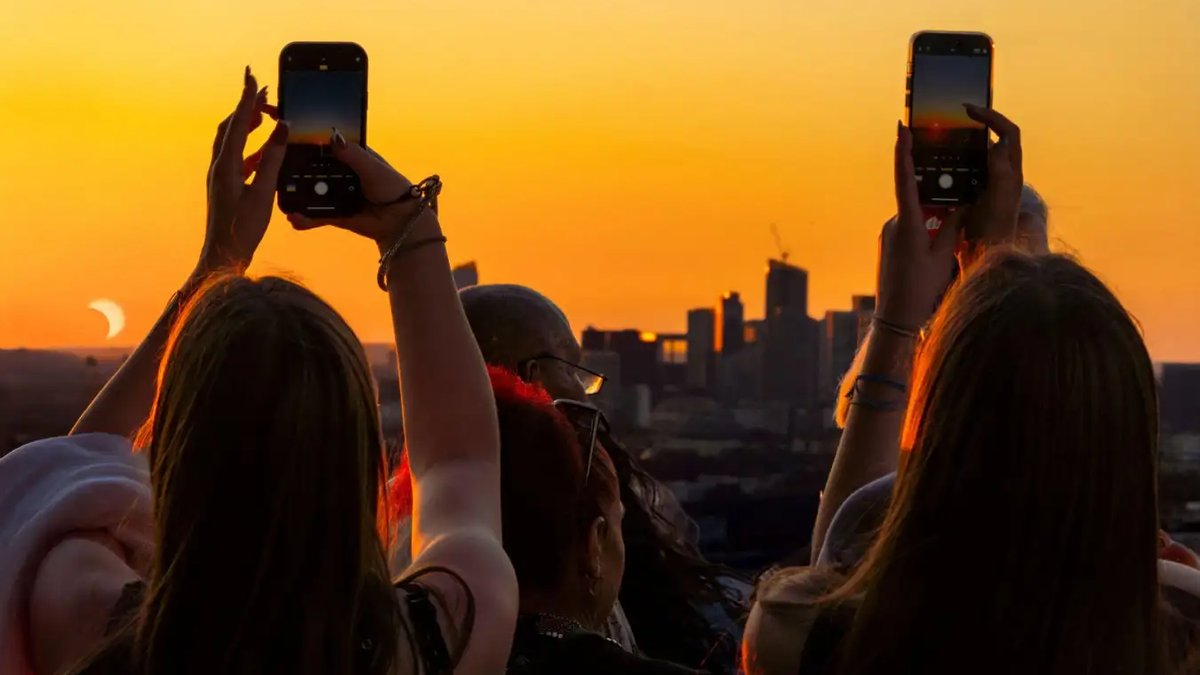
During the total solar eclipse on 12 August, scientists from around the world will have their eyes – and scientific instruments – on the sun. But even if you aren’t a scientist, you can help in their investigations, both during the eclipse and year-round.
A total solar eclipse occurs when the sun and moon line up just right so that the moon blocks out the entire disc of the sun from the perspectiv...